West African Leaders Approve Nigeria-Morocco Atlantic Gas Pipeline Project
AFRICAN UNITY
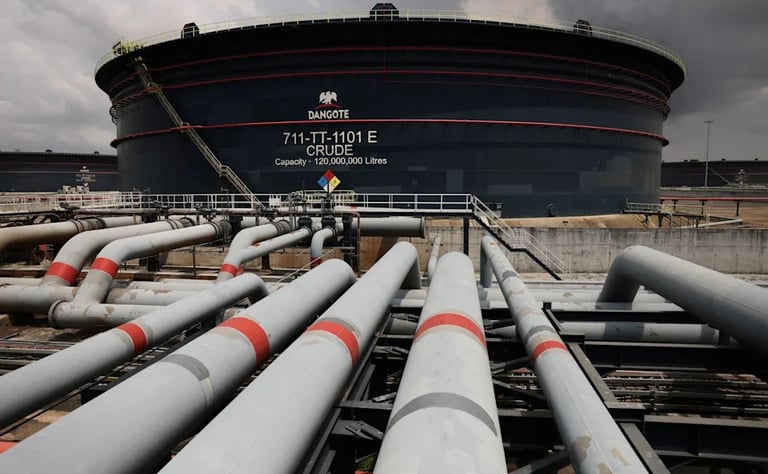
Photo: SEMAFOR
FREETOWN, Sierra Leone — West African leaders on July 13 formally endorsed the Nigeria-Morocco Atlantic Gas Pipeline, a proposed 6,000-kilometre energy corridor that will carry Nigerian natural gas along the Atlantic coast through 14 African countries to Morocco before connecting with Europe's gas network through Spain. The agreement was signed in Freetown during a regional ceremony attended by leaders including Sierra Leone President Julius Maada Bio, the current chair of ECOWAS, who described the project as a major opportunity for African cooperation and energy development.
The pipeline project, first proposed in 2016, follows nearly a decade of negotiations involving Nigeria, Morocco, and other participating states. It is being led by Nigeria's state oil company and Morocco's Office National des Hydrocarbures et des Mines (ONHYM), with support from ECOWAS, the Islamic Development Bank, and the OPEC Fund for International Development. The estimated $25 billion project is expected to begin construction in 2028 and will be developed in phases. Energy expert Charles Majomi, a former Nigerian government adviser, said the pipeline could help African countries capture greater value from their own resources instead of exporting raw materials and importing processed energy at higher costs. Prof. Ganiyat Adejoke Adesina-Uthman of Nigeria's National Open University said the project could expand industrial capacity and improve Africa's access to global markets.
The Nigeria-Morocco Atlantic Gas Pipeline serves as a micro-model of African unity: multiple nations coordinating infrastructure, resources, and economic interests across regional boundaries. Its significance extends beyond energy, demonstrating how African countries can build shared systems that connect economies and strengthen collective bargaining power. If successfully completed, the project could become an example of continental cooperation in practice—transforming natural resources into regional development while advancing the broader vision of African integration and self-determination.