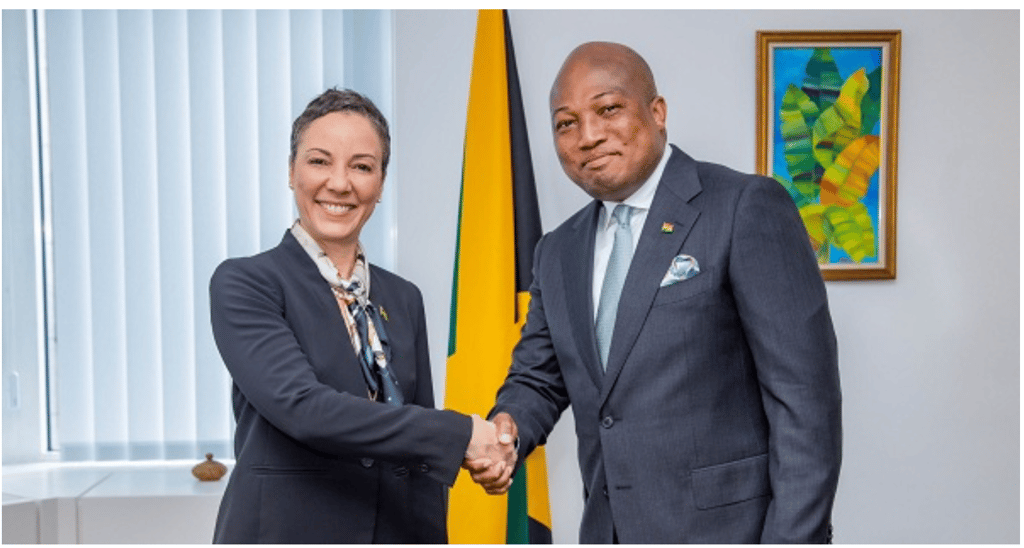
Ghana Deploys Military Engineers To Support Jamaica After Hurricane Melissa
AFRICAN UNITY
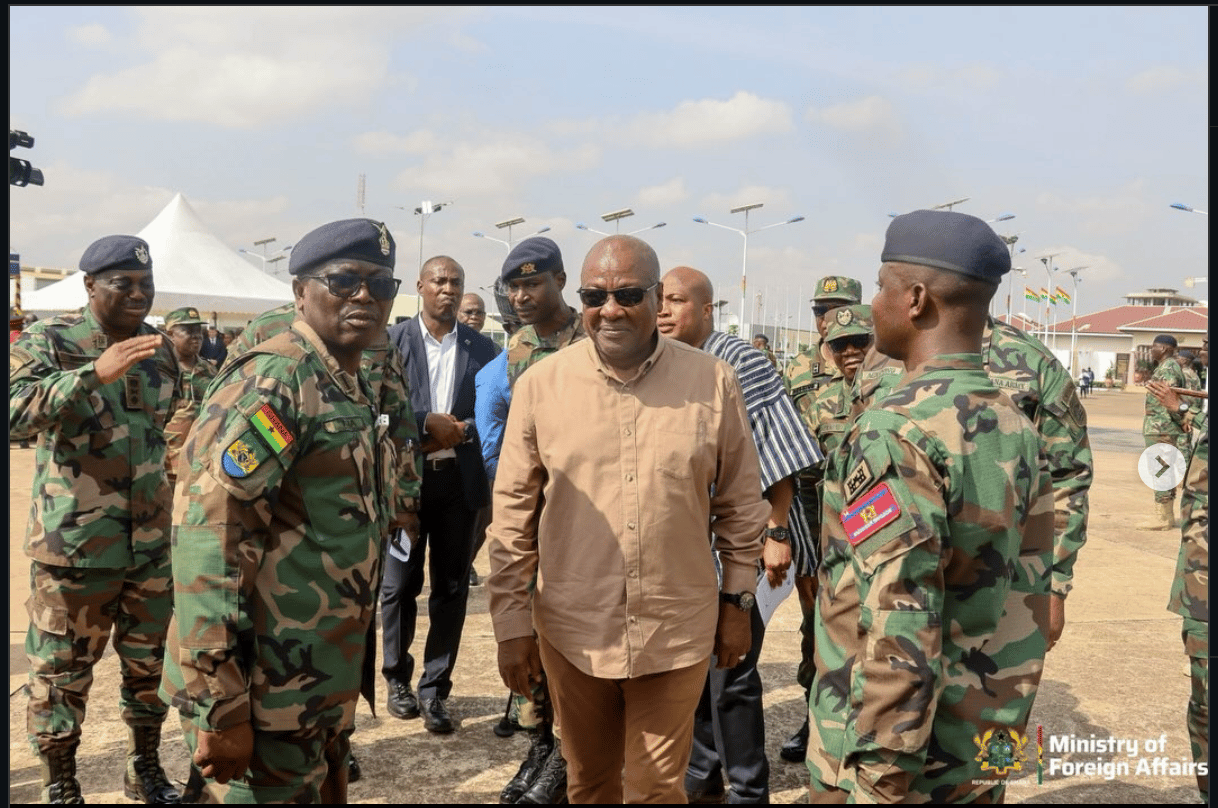
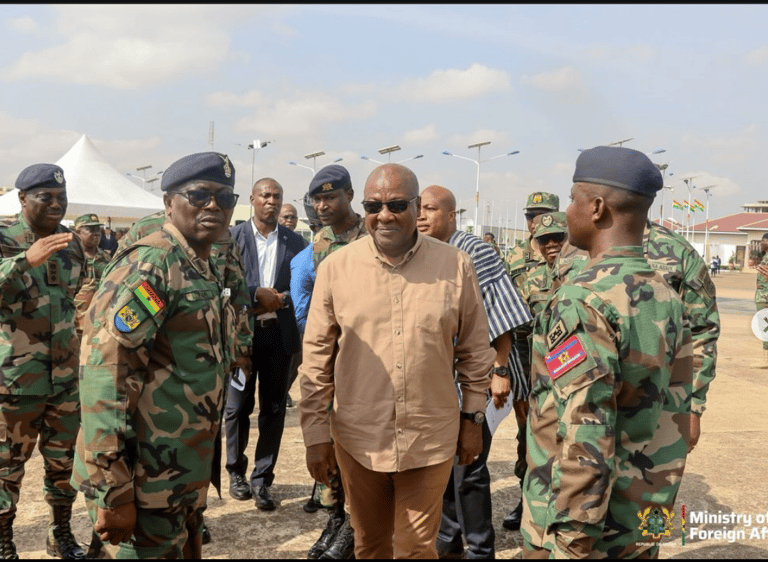
Following a formal request by the Prime Minister of Jamaica, Ghana has deployed a 54 member contingent including medical personnel and engineers from the 48th, 49th and 50th Engineers Regiment to assist Jamaica’s reconstruction efforts following the destruction caused by Hurricane Melissa. The move has been widely welcomed as a powerful expression of Pan-African solidarity linking Africa and the Caribbean.
The deployment resonates with long-standing historical, cultural, and political bonds between Ghana and Jamaica, forged through shared African heritage and common struggles for liberation. For decades, Jamaicans—particularly within the Rastafari movement—have played a central role in keeping Africa at the forefront of global Black consciousness.
These ties were publicly affirmed during the historic 1966 visit of His Imperial Majesty Emperor Haile Selassie I to Jamaica. During that visit, the Emperor thanked the Jamaican people for their support during Ethiopia’s war against Italian invasion in the 1930s, a conflict that preceded the outbreak of the Second World War. He praised Jamaica’s own liberation struggles and drew clear parallels with conditions on the African continent.
In his address, Haile Selassie framed the bond between Africa and the diaspora in unmistakable terms, stating that “wherever there is African blood there is a basis for greater unity.” He called for deeper and broader cooperation, urging Africans and people of African descent to expand material collaboration and work together “in all ways.”
That message remains relevant today. While emergency assistance in times of crisis is important, the deeper obligation lies in building sustained, proactive cooperation across economic, technical, cultural, and social fields, rather than limiting engagement to moments of disaster. We must at this point, also salute the Ghana government’s gestures of support to Sudan, Cuba and Gaza.
The significance of Ghana’s actions has been acknowledged across political lines. The Minority Leader has described the deployment to Jamaica as commendable, underscoring that Ghana’s relationship with the wider Black world transcends party politics. Acting deliberately to strengthen meaningful ties with kindred communities across the Atlantic and the African continent serves as a unifying force, reaffirming shared history while pointing toward a future of closer global African cooperation.