Ethiopia Opens National Dialogue Forum
AFRICAAFRICAN UNITY
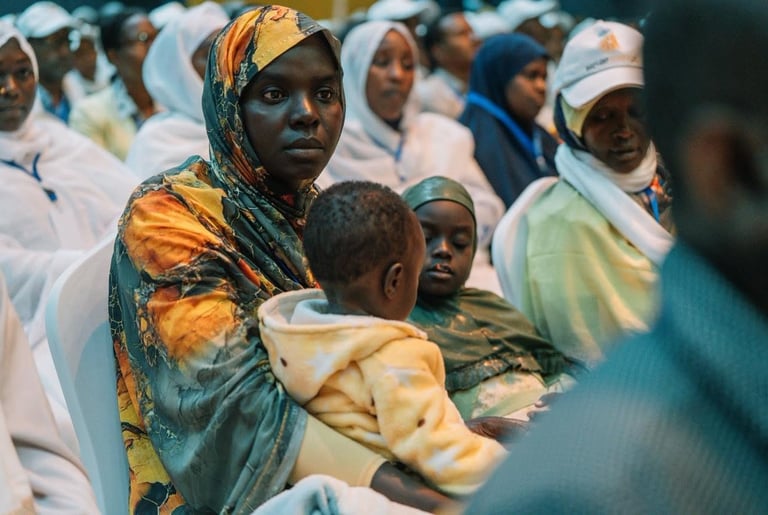
ADDIS ABABA — Ethiopia's National Dialogue Forum officially opened in Addis Ababa on July 15, bringing together more than 4,000 delegates for a month of deliberations on the country's longstanding political disputes. Opening the forum, Ethiopian National Dialogue Commission (ENDC) Chief Commissioner Prof. Mesfin Araya urged participants to "set aside emotions" and place Ethiopia's national interest first. In a message marking the opening, Prime Minister Abiy Ahmed described the gathering as "a historic opportunity" and said it offered Ethiopia the chance to "write a new history with her own hands" through dialogue rather than conflict.
The forum, organized by the ENDC, follows a nationwide agenda-setting process that the Commission says involved hundreds of thousands of citizens. However, the opening was met with immediate criticism from opposition parties. The Ethiopian People's Revolutionary Party (EPRP) rejected the process as lacking the conditions for genuine national consensus, arguing that ongoing armed conflicts, political detentions, and restrictions on political participation undermine its credibility. Merera Gudina, chairman of the Oromo Federalist Congress (OFC), reiterated his long-standing criticism, saying the dialogue was "dead upon arrival" and would not deliver either lasting peace or democratic governance. Separately, five political parties from Ethiopia's Somali Region urged the Commission to abandon its proposed 70 percent majority voting rule in favor of consensus on constitutional questions, warning that minority voices could otherwise be marginalized.
The National Dialogue represents one of Ethiopia's most ambitious attempts to address decades of political division through negotiation rather than armed confrontation. Its success will depend upon whether it earns the confidence of communities across the country, including those currently outside the process. Lasting peace requires institutions that accommodate political diversity, strengthen democratic participation, and build national consensus through inclusion rather than exclusion.
Photo: Ethiopia News Agency