
Embracing African Pride: The Legacy of Haile Selassie and Kwame Nkrumah
AFRICAN UNITY
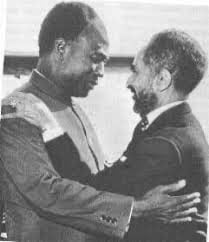
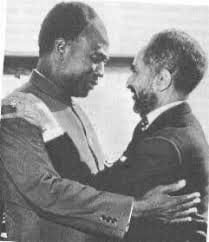
African pride is a powerful movement that embodies the rich history, culture, and heritage of the African continent. It encourages young people to celebrate their ancestry and recognize the important figures who have contributed to the liberation and empowerment of African nations. Two names that stand out in this narrative are Emperor Haile Selassie of Ethiopia and Osagyefo Dr. Kwame Nkrumah of Ghana, both of whom are seen as pivotal icons of African pride.
Emperor Haile Selassie: A Symbol of Unity and Strength
Emperor Haile Selassie, who reigned from 1930 to 1974, is often regarded as a divine figure, especially within the Rastafarian movement, which views him as a symbol of hope and resilience. Selassie's commitment to African unity and independence was exemplified in his role in establishing the Organization of African Unity (OAU), aimed at promoting cooperation among African states. His famous speech to the United Nations in 1963 emphasized the need for equality and justice, resonating deeply with those fighting against colonialism and oppression.
Osagyefo Dr. Kwame Nkrumah: The Visionary Leader
Osagyefo Dr. Kwame Nkrumah, Ghana's first president, was another monumental figure in the quest for African independence. He advocated for the idea of Pan-Africanism, which sought to unite African countries in the fight against colonial rule and economic exploitation. Nkrumah's vision extended beyond Ghana; he envisioned a continent where all nations worked together for peace and prosperity. His famous phrase, "Seek ye first the political kingdom, and all other things shall be added unto you," symbolizes his belief that political freedom was the key to achieving economic and social liberation for the African people.
Conclusion: The Continuing Legacy of African Icons
The legacies of Emperor Haile Selassie and Dr. Kwame Nkrumah continue to inspire a new generation of young Africans. Their commitment to unity, empowerment, and self-determination serves as a guiding light in today's ongoing struggles for justice and equality. Understanding their contributions not only fosters a sense of pride in African identity but also encourages youth to engage actively in their communities and work towards meaningful change. As we reflect on these icons, let us embrace our African heritage and strive to build a future that honors their vision of unity and strength.